Website preview · Nursery Rhyme Academy, LLC.
Previewing at
Nursery Rhyme Academy, LLC.
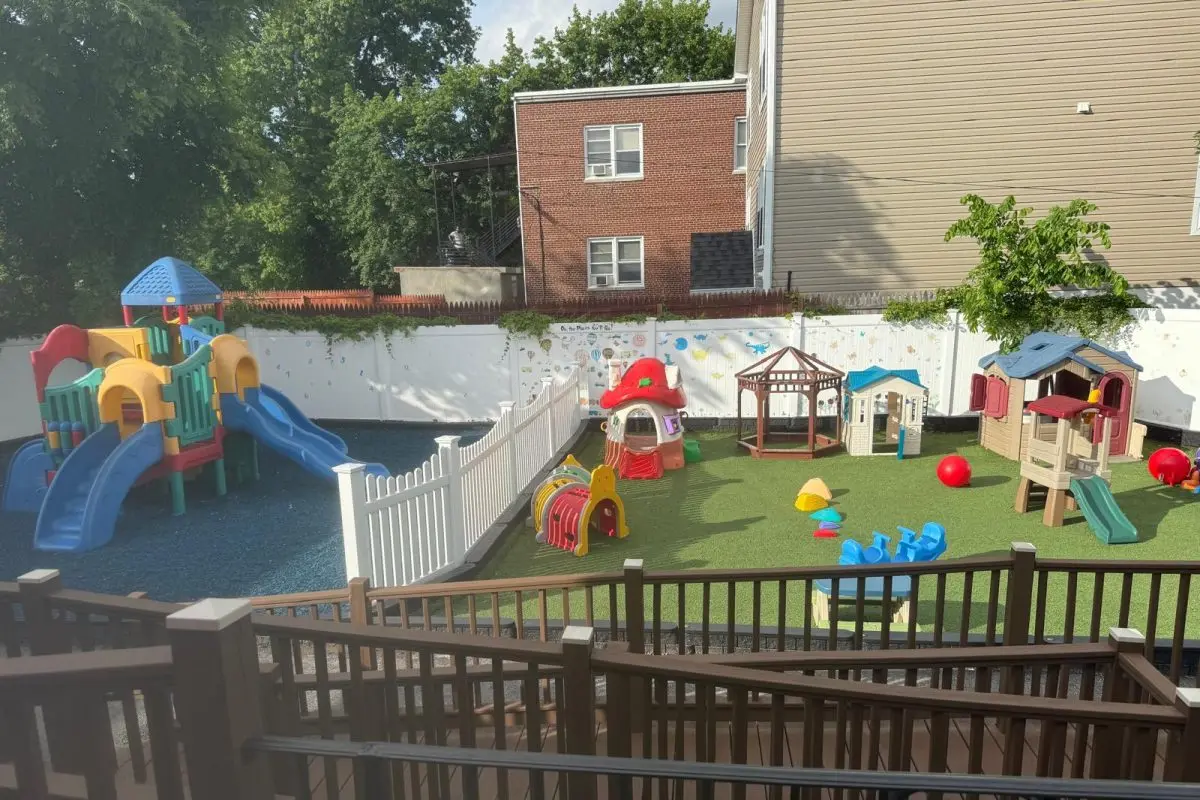
A fenced outdoor play area with a large multicolored play structure on blue surfacing and a smaller playhouse area on green surfacing, surrounded by white fencing and buildings.

Understanding Developmental Milestones W.

A parent's guide to what children typically do and learn at each stage.

Understanding Developmental Milestones W

Introduction

The first years of childhood move fast. Children grow physically, learn to think, and build relationships with the people around them. Knowing the typical milestones helps you notice what your child is working on and what comes next. It also gives you a way to talk with teachers and doctors about what you see.
Birth to 12 Months

During the first year, infants change quickly. They learn to hold their heads up, roll over, sit, crawl, and pull to stand. They reach for toys, track faces, and copy sounds. They smile, laugh, and show they prefer familiar people and want comfort when upset.

12 to 36 Months

Toddlers want to do things themselves. They walk and run, climb, and pick up small objects. They say more words, follow simple directions, and name familiar things. They start pretend play. They also test limits and feel big feelings, which is how they learn what is safe and what is not.

3 to 5 Years

Preschoolers build on what they already know. They speak in longer sentences, tell stories, and ask questions. They draw, build, sort, and count. They play with other children and take turns, though they still need help sharing. They follow two- and three-step directions and begin to handle self-care like washing hands.

Conclusion

Milestones give you a way to follow your child's growth and offer support where it is needed. Children reach skills at different times. What matters is steady progress and encouragement. When you notice what your child can do now, you can celebrate it and help them build the next step.

Leave a Reply Cancel reply

If you leave a reply, your email address is not published. The fields marked with an asterisk are required. You can save your name, email, and website in this browser so you do not have to type them again next time you comment.

What this looks like in practice

In a child care room, infants and toddlers learn through play. Teachers set out toys at the children's level, sit on the floor with them, and name what they see and do. Older children move between activities like blocks, books, art, and outdoor time. Across the day, children practice new skills alongside others their age.

When you know the milestones, small changes at home stand out. You notice your baby reaching for a spoon. You see your toddler putting two words together. You hear your preschooler tell a story. Those moments tell you what your child is learning next. Teachers can point to the same steps in the classroom.

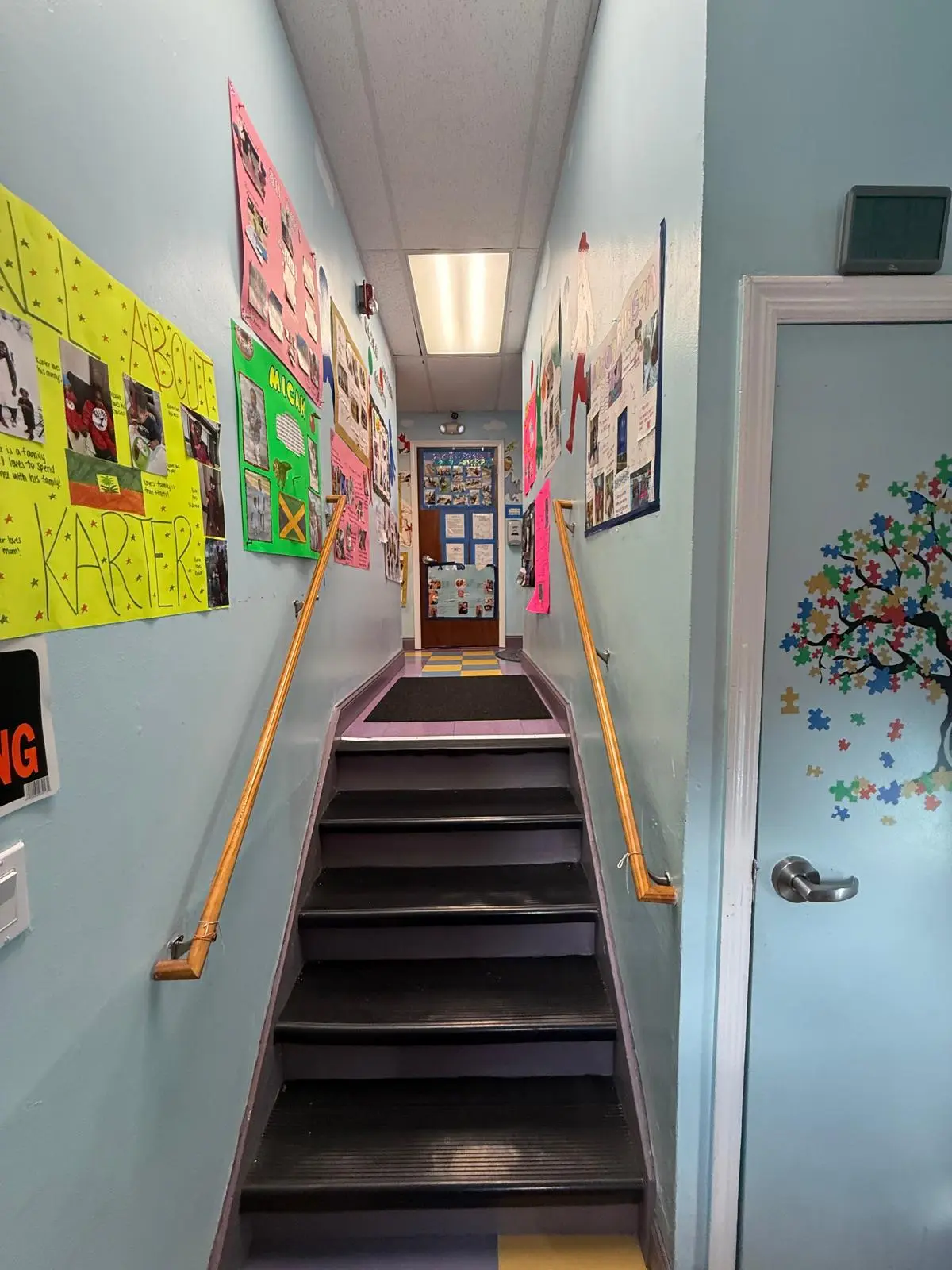
A stairwell with blue walls, wooden handrails, and dark steps leads up to a closed door decorated with children's artwork and posters.
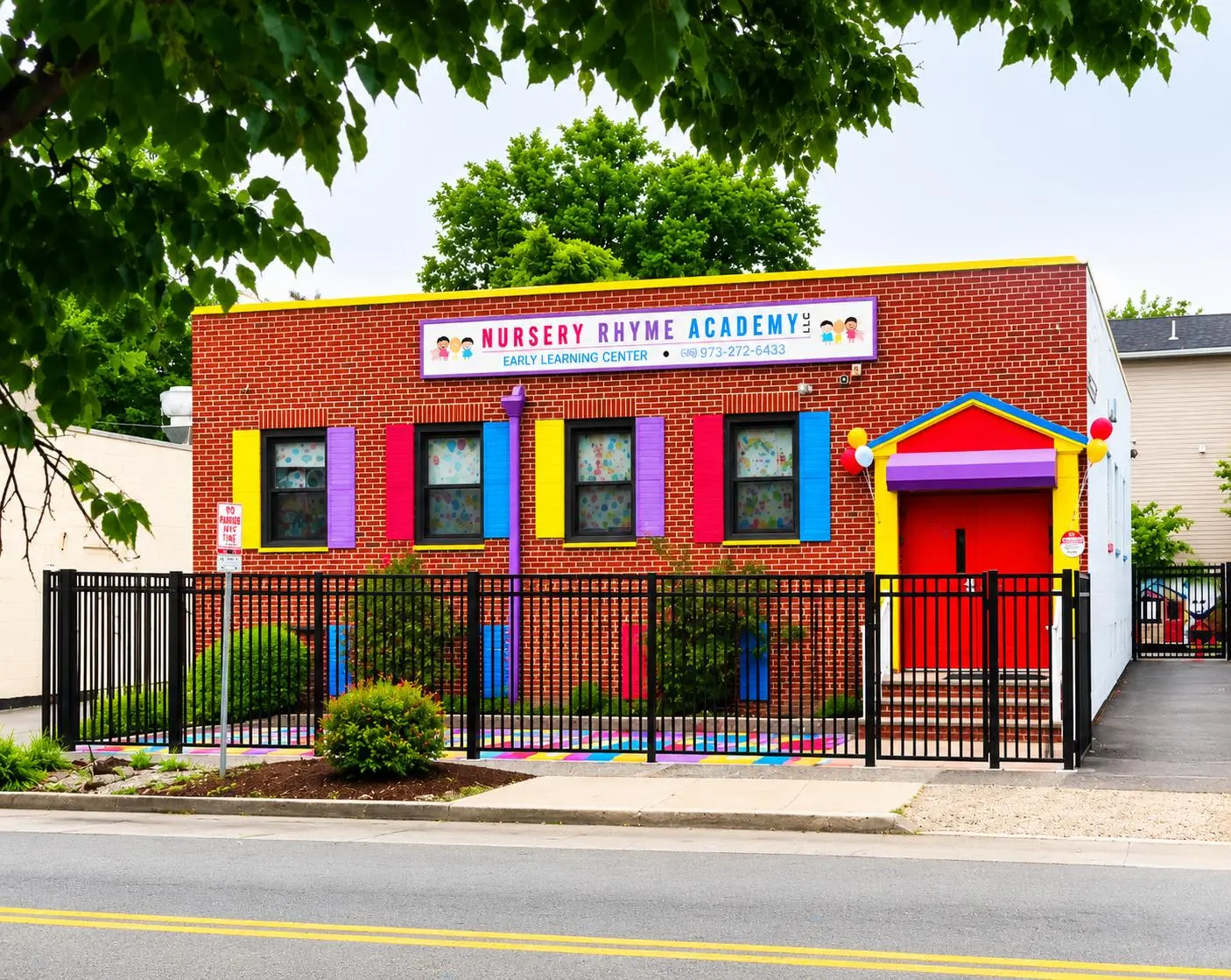
A red brick building with a sign reading "Nursery Rhyme Academy LLC" features colorful window shutters, a black metal fence, and a red entrance door with a purple awning.

Questions? Ask us

NR
Hi! I'm Nursery
How can I help you today?
NR
Nursery Rhyme Academy, LLC. Assistant
Ask about tours, programs, and enrollment.
Hi! I can help with Nursery Rhyme Academy, LLC. questions.
Powered by EnrollIQ